

History of Rooibos Tea
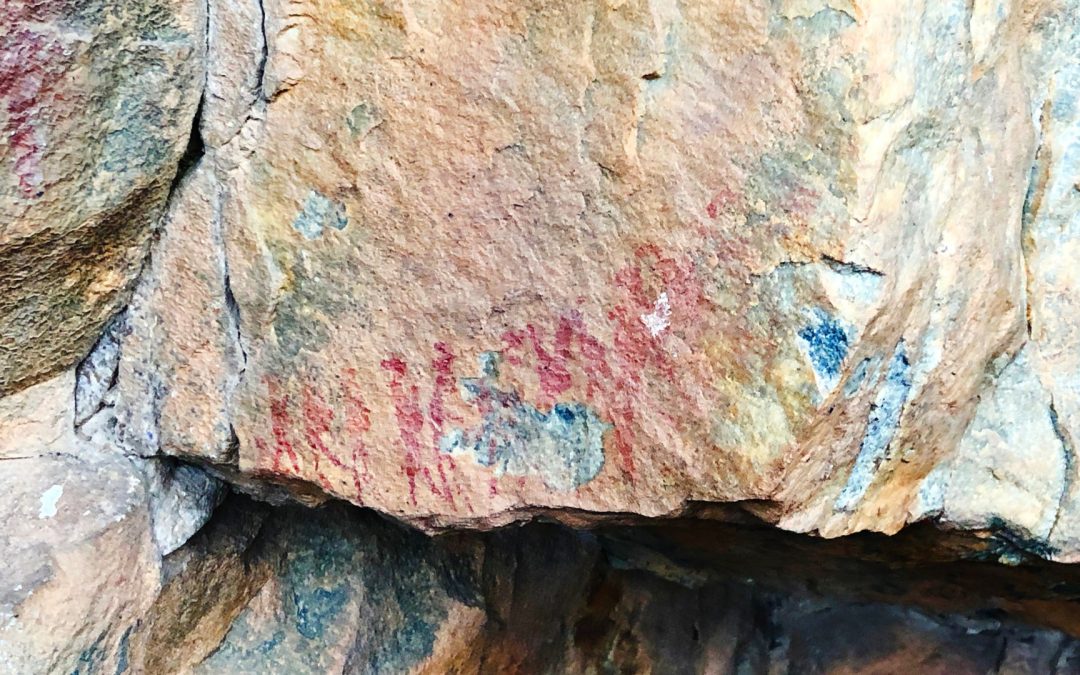
Rooibos tea, also known as red bush tea, has a rich history deeply rooted in South African culture. The tea is made from the leaves of the Aspalathus linearis plant, native to the Cederberg region of South Africa. Indigenous Khoisan people were the first to harvest and use Rooibos tea for its medicinal properties.
Early Uses of Rooibos Tea
- Medicinal Purposes: The Khoisan people used Rooibos tea to treat various ailments, including digestive issues and skin conditions.
- Cultural Traditions: Rooibos tea was an integral part of Khoisan cultural rituals and ceremonies.
Rooibos Tea in the 20th Century
In the early 20th century, Rooibos tea was introduced to the broader South African population. Dr. Pieter Lefras Nortier, a local doctor, played a significant role in promoting Rooibos tea as a healthy beverage alternative to traditional black tea.
Key Developments in the History of Rooibos Tea
- Commercial Farming: The first commercial Rooibos tea farm was established in the 1930s, leading to increased production and availability.
- Research and Promotion: Scientific research conducted by Dr. Nortier highlighted the health benefits of Rooibos tea, boosting its popularity.
Global Popularity of Rooibos Tea
Today, Rooibos tea is enjoyed by people around the world. Its unique flavor and numerous health benefits have made it a popular choice among tea enthusiasts.
Factors Contributing to Global Popularity
-
Health Benefits: The antioxidant and anti-inflammatory properties of Rooibos tea have attracted health-conscious consumers.
- Caffeine-Free Alternative: Rooibos tea provides a naturally caffeine-free option for tea drinkers.
- Versatility: Rooibos tea can be enjoyed hot or cold and is often used in various recipes, from desserts to cocktails.
The cultural significance and history of Rooibos tea make it a truly unique beverage. From its origins with the Khoisan people to its global popularity today, Rooibos tea has a rich heritage worth celebrating.
To explore our range of premium Rooibos tea products, contact Khoisan Tea and experience the tradition for yourself.